All of us have heard... "You are what you eat."
Well, lets look to uplifting foods and kick the foods out that drag us down.
An organic plant based whole foods diet plan that incorporates farm fresh eggs, grass fed beef, wild caught Salmon (and other omega fish), pastured poultry, raw dairy and plenty of fermented foods is the perfect recipe for fighting off depression and keeping it away.
Well, lets look to uplifting foods and kick the foods out that drag us down.
An organic plant based whole foods diet plan that incorporates farm fresh eggs, grass fed beef, wild caught Salmon (and other omega fish), pastured poultry, raw dairy and plenty of fermented foods is the perfect recipe for fighting off depression and keeping it away.
A little nervous? Don't know where to start? Well, lets take a look at some mood enhancing foods and why they work.
Eat Plenty of Organic Whole Foods
- Fish ~ three times a week or more. The best choice is pink salmon or fresh tuna or mackerel. High in Omega 3 fatty acids which helps with a wide array of body functions and keeps a lot of preventable diseases away. These omega fish also have a good influence on the serotonin production which turn your mood enhancers on.
- healthy carbohydrates ~ such as steel cut oats, long grain brown rice, amaranth, quinoa, fresh fruits(citrus fruits, banana, pomegranate, apple, pineapple, blueberries) fresh vegetables (beans, peas, carrots, tomatoes).
****If you are on a low carbohydrate diet it can contribute to your miserable mood.**** - garlic has beside its many health improving properties, a slight mood elevating effect. Eat daily one clove of freshly chopped garlic.
- The amino acid Tryptophan (The brain turns the L Tryptophan into serotonin, a neurotransmitter that controls our “feelings” such as depression, hunger, thirst, sleep and other "moods.")
Dietary sources include:
Skin on Baked Potatoes, Bananas, Beans, Raw Cheeses, Cottage Cheese, Eggs, Fish, Hazelnuts, Raw Milk, Hummus, Lentils, Kelp, Pastured Meats, Nuts, Long Grain Brown Rice, Raw Pumpkin Seeds, Peas, Peanut Butter, Sesame Seeds, Shellfish, Sunflower Seeds, Tuna, Turkey, Yogurt and Kefir.
Where possible eat them with carbohydrate rich foods which facilitate the brain's uptake of tryptophan. - seasonings such as cayenne pepper, rosemary, ginger, cardamom and basil have proved uplifting properties.
What to Drink
Lemon Water ~ Drop a few slices of fresh lemon into your water and listen to some nice music or the sounds of the outdoors ~ it is uplifting for body and mind. If you do not care for the sour taste of lemon juice, fresh grapefruit or fresh orange juice will also do the trick. They are fine depression cures if consumed regularly.
- Earl-Grey Black Tea. The scent of Earl-Grey Tea comes from Bergamot oil, which is a time-proved mood enhancer. A cup of Earl-Grey Tee (without milk or sugar) 3 times daily keeps you alert and fit. You can add a dash of fresh lemon juice to enhance its uplifting abilities.
- Herbal teas: Peppermint, Passion Flower, German Chamomile, Lemon balm and Ginger teas are lovely natural cures for depression.
Lemon balm got its name from strong lemon scent of the plant. Lemon Balm teas help with depression, minor sleep problems and nervousness. The infusion of Lemon balm has a calming, relaxing effect as well as the power to reduce hyperactivity and agitation. The best choice is drinking it in the evening, after food, before bedtime. Put 2-3g of dried leaves into 1 cup of boiling water and strain.
Caution: avoid long term usage (1-3 months) as lemon balm may reduce hormonal activity of the sex glands.
Peppermint infusion is a warming and stimulating depression treatment. It stimulates brain functions and aids clear thinking. Peppermint tea clears the head helping one to feel fresh and bright and ready for mental effort. Refreshing and stimulating peppermint tea is a natural remedy for depression. Put 1 spoonful of dried leaves into 150ml of boiling water. Leave to infuse for 10-15 minutes and strain. Drink 1 or 2 cups after meal in the morning and midday as refreshing depression cures.
Ginger has anti-inflammatory properties that can help alleviate depression.
Cut back or Give up
- coffee or cola. Caffeine suppresses serotonin production and has been linked to depression.
- alcohol. Alcoholic drinks may initially lift your mood, alcohol is actually a depressant.
- Grocery store - fast food &/or excessive consumption of meat, canned foods and sugar (hfcs fits in here too). Excessive amounts of meat, canned foods void of real nutrition due to high heat used in canning process, and sugar consumption all make you drag down rather than lift you up.
Supplements
- B12 Complex ~ "Vitamin B-12 along with other B vitamins play a role in producing brain chemicals that affect mood and other brain functions. Low levels of B-12 and other B vitamins such as vitamin B-6 and folate may be linked to depression." Mayo Clinic
- D3 ~ actually a hormone not a vitamin, D3 deficiency is a common cause of depression. The easiest way to up your D3 is to get outside in the sun. Cod liver oil is also rich in D3.
- Barlean's Flax Oil ~ "There isn't a person living today who won't benefit from omega-3 fatty acids, a type of essential fatty acid found most abundantly in some kinds of seafood and flax. However, persons suffering from depression, alcoholism, attention deficit disorder, impulsive and violent behavior or emotional hostility can particularly benefit by bringing more omega-3 fatty acids into their diet. In some of the most amazing research done today, scientists have discovered that the type of fat one consumes is "inextricably linked with your state of mind."
- Olive Leaf Extract ~ "People suffering from diseases such as Chronic Fatigue Syndrome, fibromyalgia and Epstein-Barr have reported less depression and increased energy when they added olive leaf to their regimen."
- Folic Acid ~ People with low levels of folate often suffer from depression. Eating foods such as green leafy veggies and fruits will help improve the levels. Make sure your B12 complex contains B9 (folic acid/folate)
- GABA (Gamma-aminobutyric acid) ~ " Mood, behavior, and brain biochemistry are intricately linked. Depression and anxiety may be the result of flawed message-sending in the biochemical brain, flawed because key brain chemicals called neurotransmitters are in short supply. They're short because the body's amino acid pool (from which they're made) is itself low. For example, deficiencies in the amino acid GABA are strongly correlated with states of anxiety."
- Inositol ~ "An organic, glucose-like compound that facilitates the transmission of serotonin and other neurotransmitters. People ingest about 1 gram of inositol a day from fruits and vegetables, whole grains, meat, and other foods"
- Saffron ~ "Saffron is a culinary spice used in many Middle Eastern dishes. It has also been used in traditional Persian medicine to relieve stomachaches, ease the pain of kidney stones, and treat depression. Some studies suggest that saffron may also have anticancer and memory-enhancing properties."
- SAMe ~ S-adenosylmethionine (SAMe), a naturally occurring compound that are involved in the synthesis of neurotransmitters such as L-Dopa, dopamine, and related hormones including serotonin and epinephrine. From experience I can tell you that supplementing with SAM-e works! It may take a few days for one to start feeling it, but when it kicks in you know it.
- St. Johns Wart ~ For MILD forms of depression this works nicely.
- Tryptophan ~ "An amino acid—most famous for being found in Thanksgiving turkey—that helps produce serotonin, the neurotransmitter targeted by drugs such as Prozac (SSRIs). It is sold over-the-counter in capsule form as L-tryptophan and 5-HTP, which represent different stages in the serotonin production process." That turkey doesn't have to be for Thanksgiving! We try to consume at least one turkey per month. Incorporate turkey into your diet via ground turkey, turkey sausages, etc. We have supplemented with both tryptophan and 5-HTP and found it to help.
Try an elimination diet... avoid gluten and/or dairy... check for salicylate sensitivity ...
Food sensitivities and undetected allergies can also effect mood and behavior.
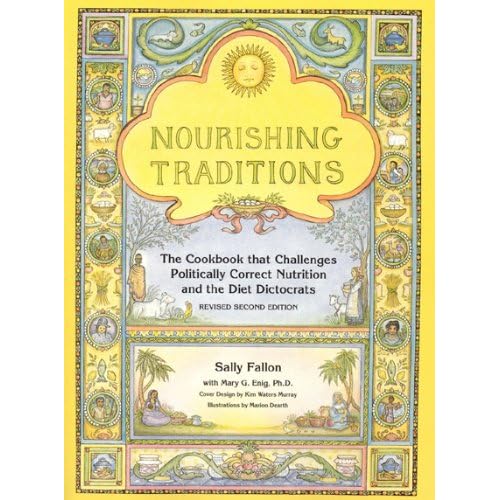
Some books that can help you explore diet and nutrition as a means to keep you healthy in body, mind and spirit:
A New Way of Eating from the Fit for Life Kitchen
- companion book to Fit for Life by Marilyn Diamond